
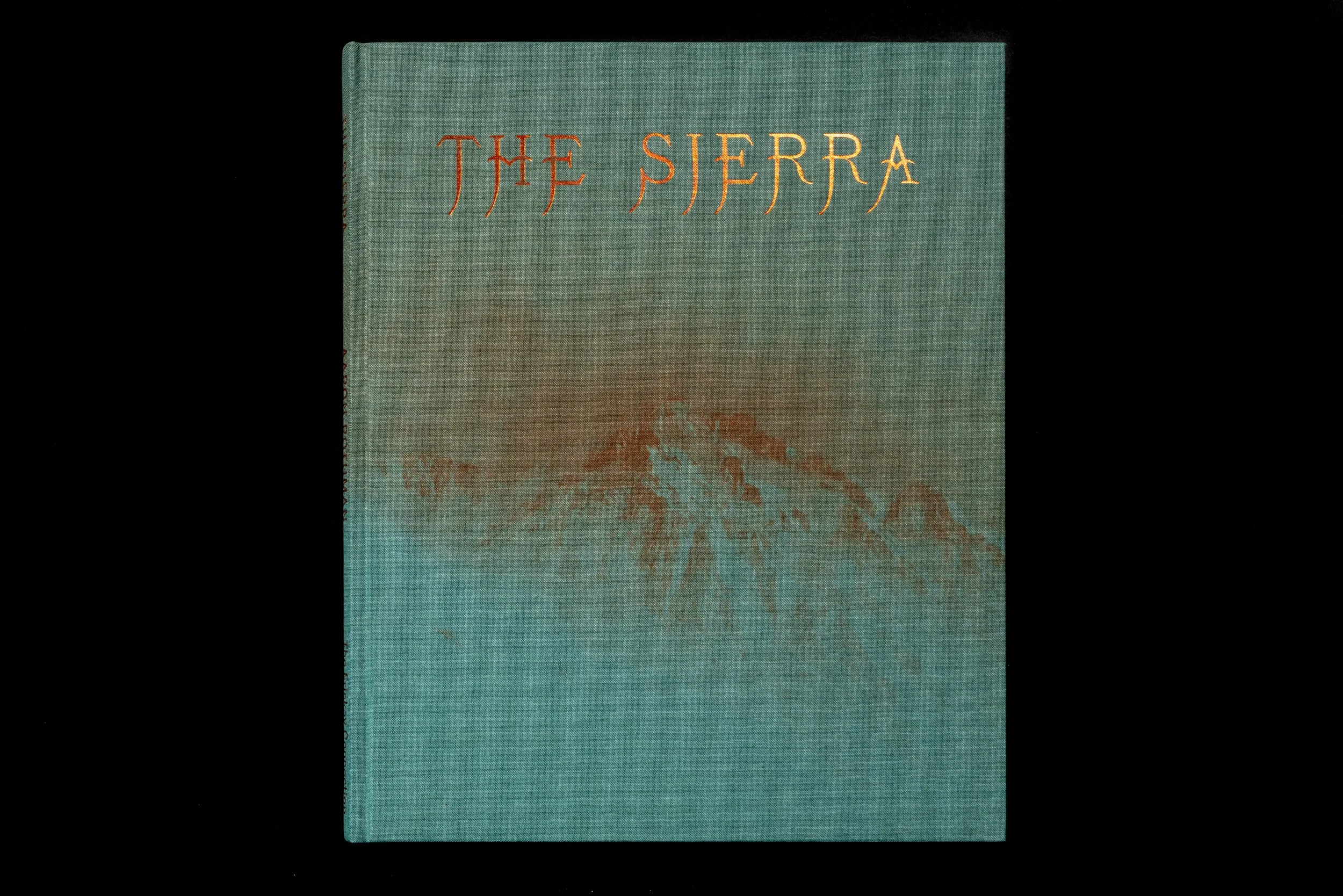


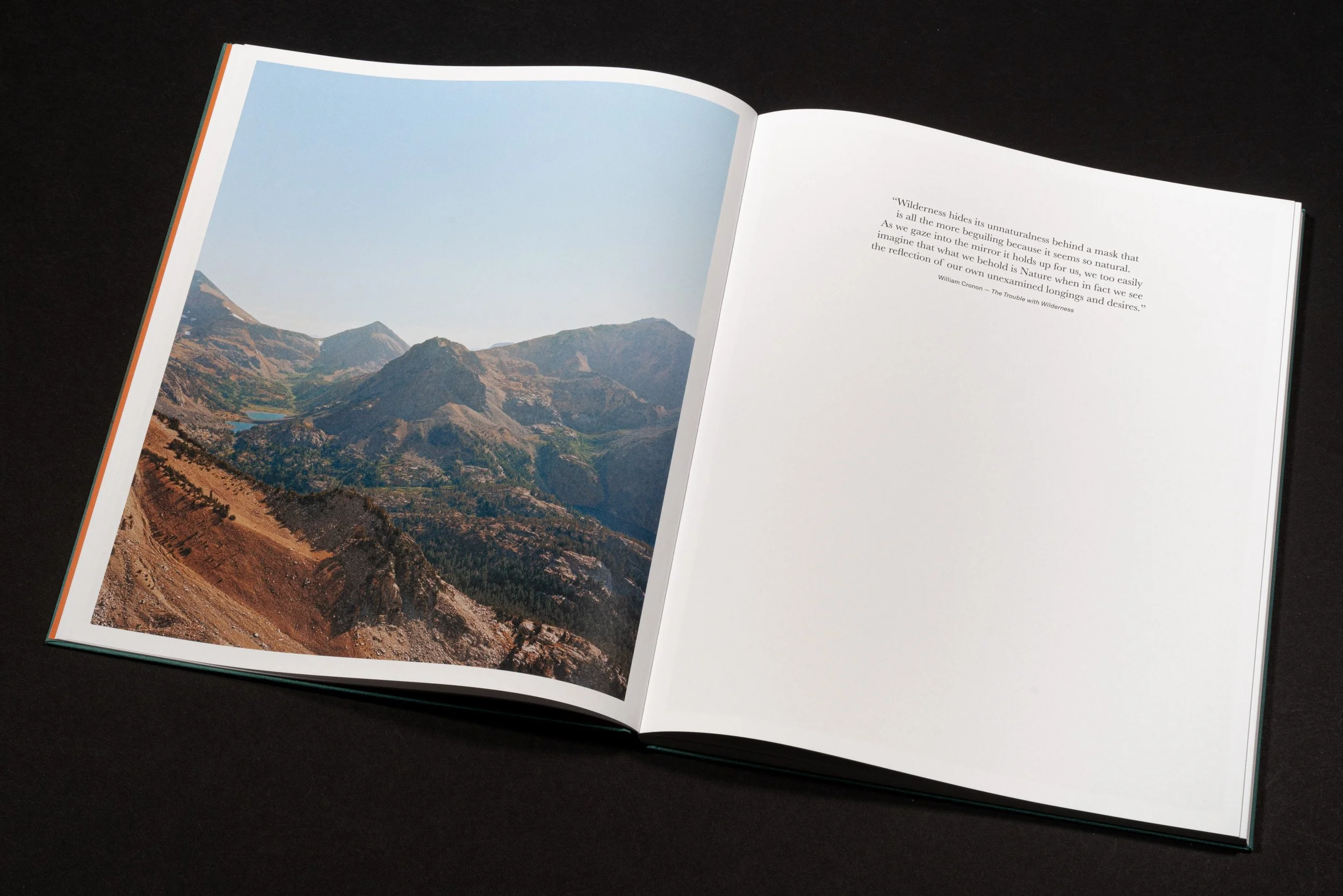


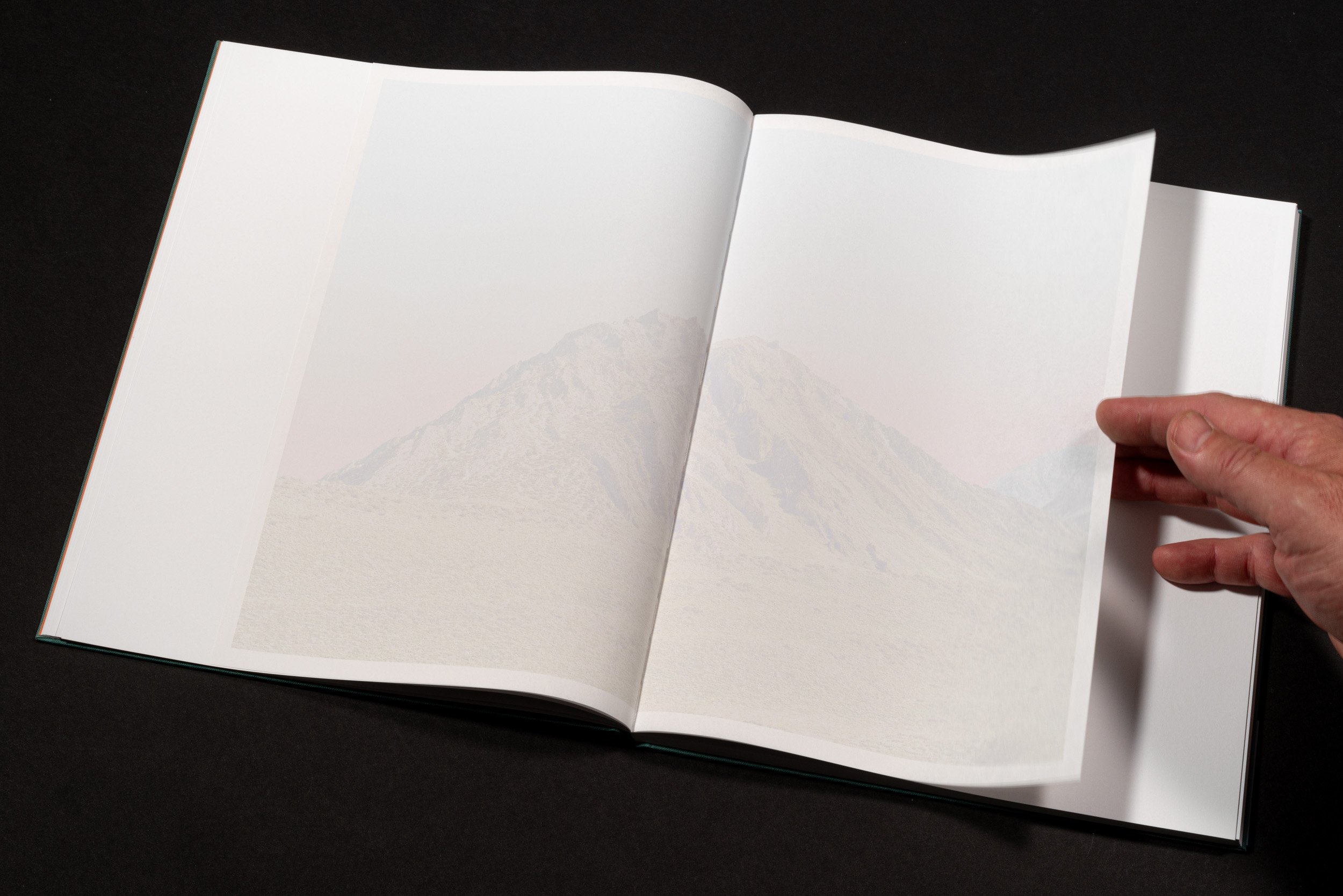
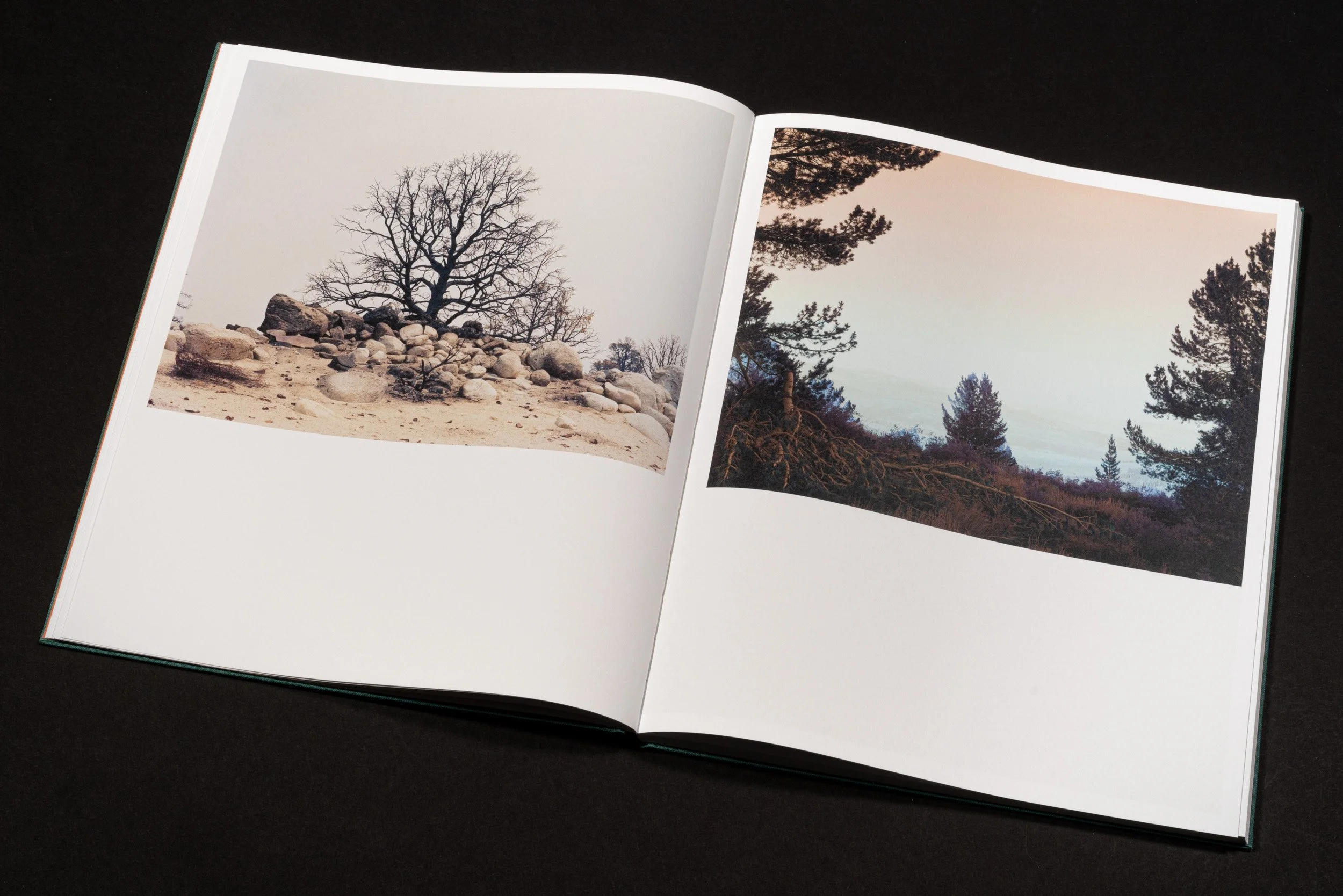

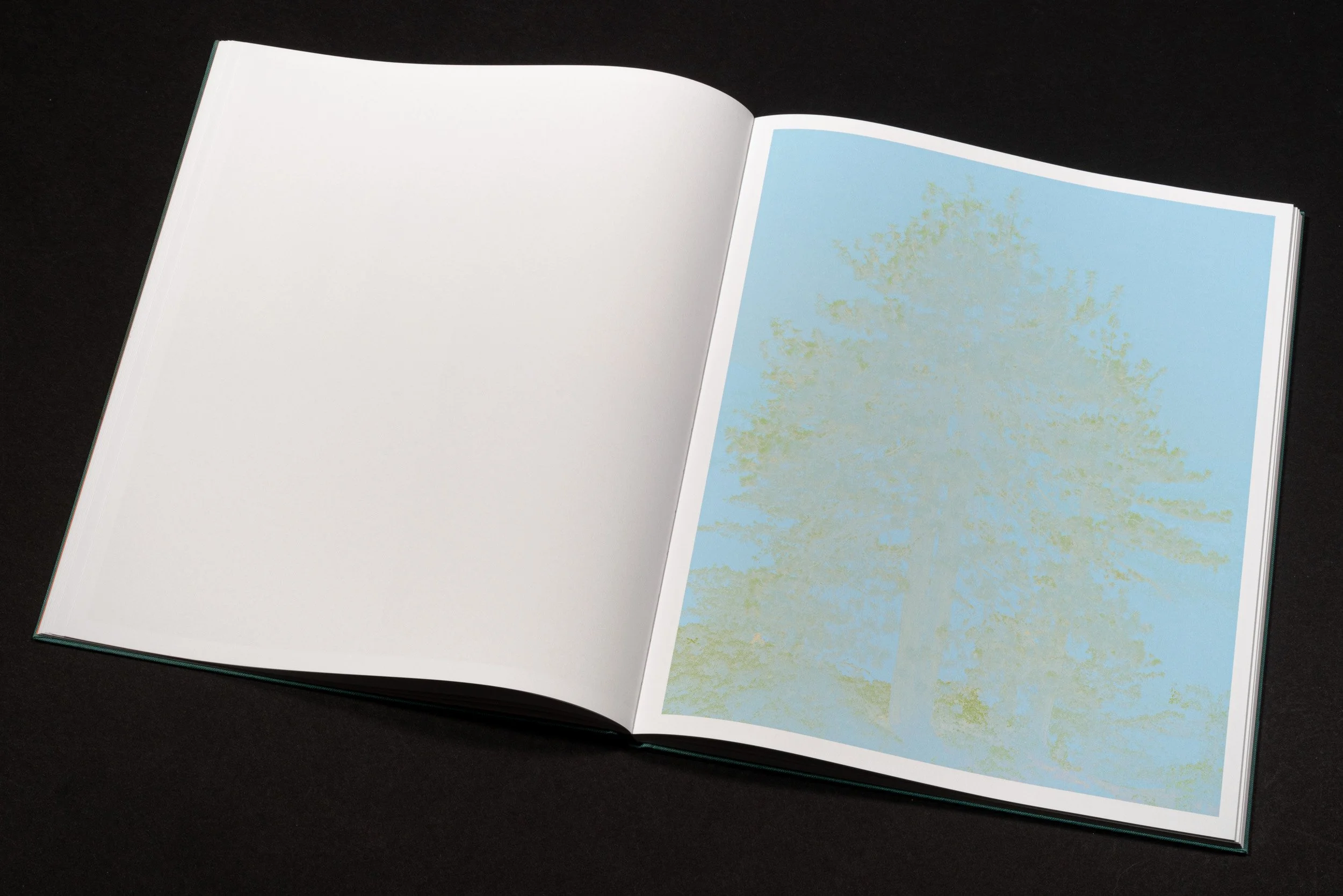


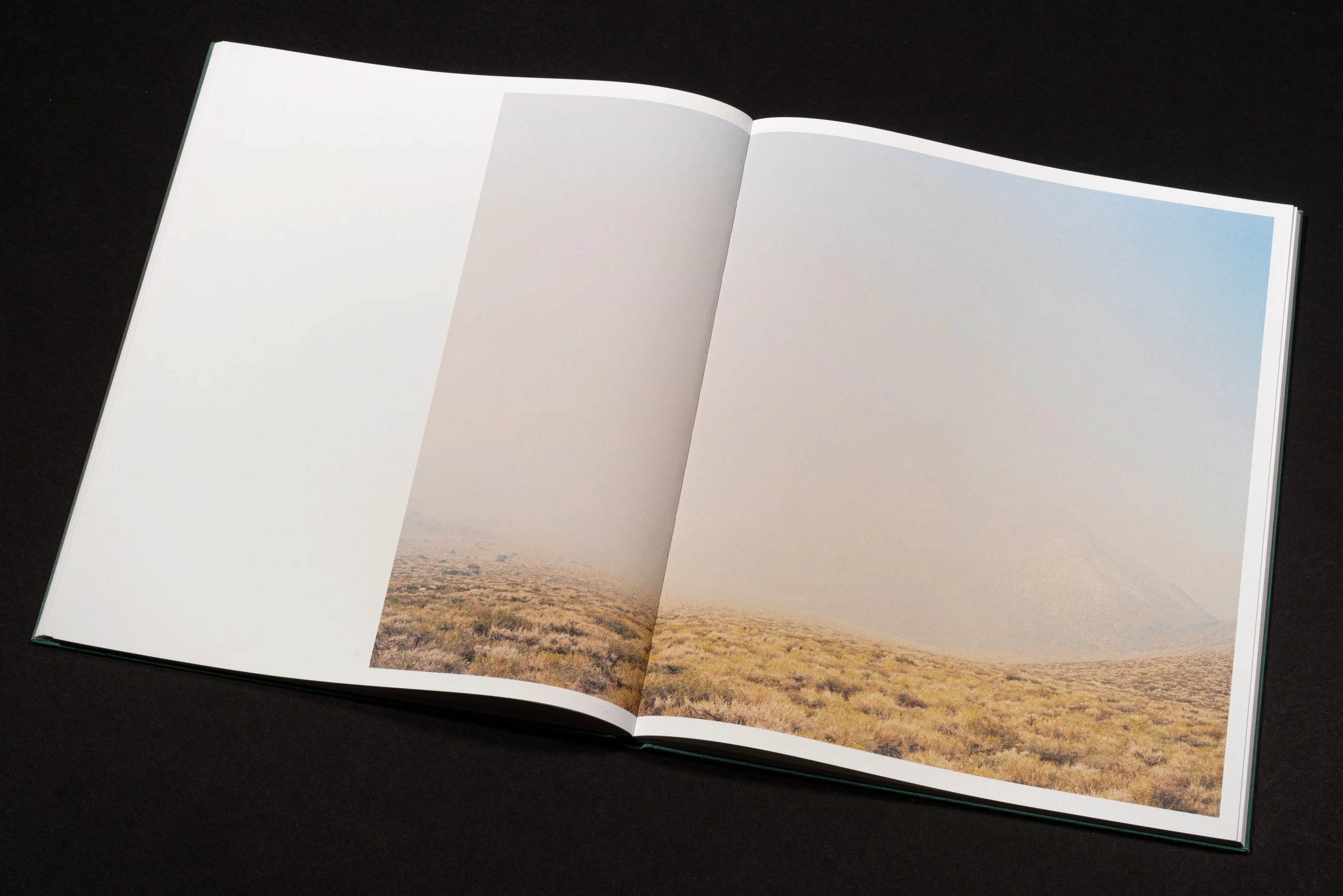
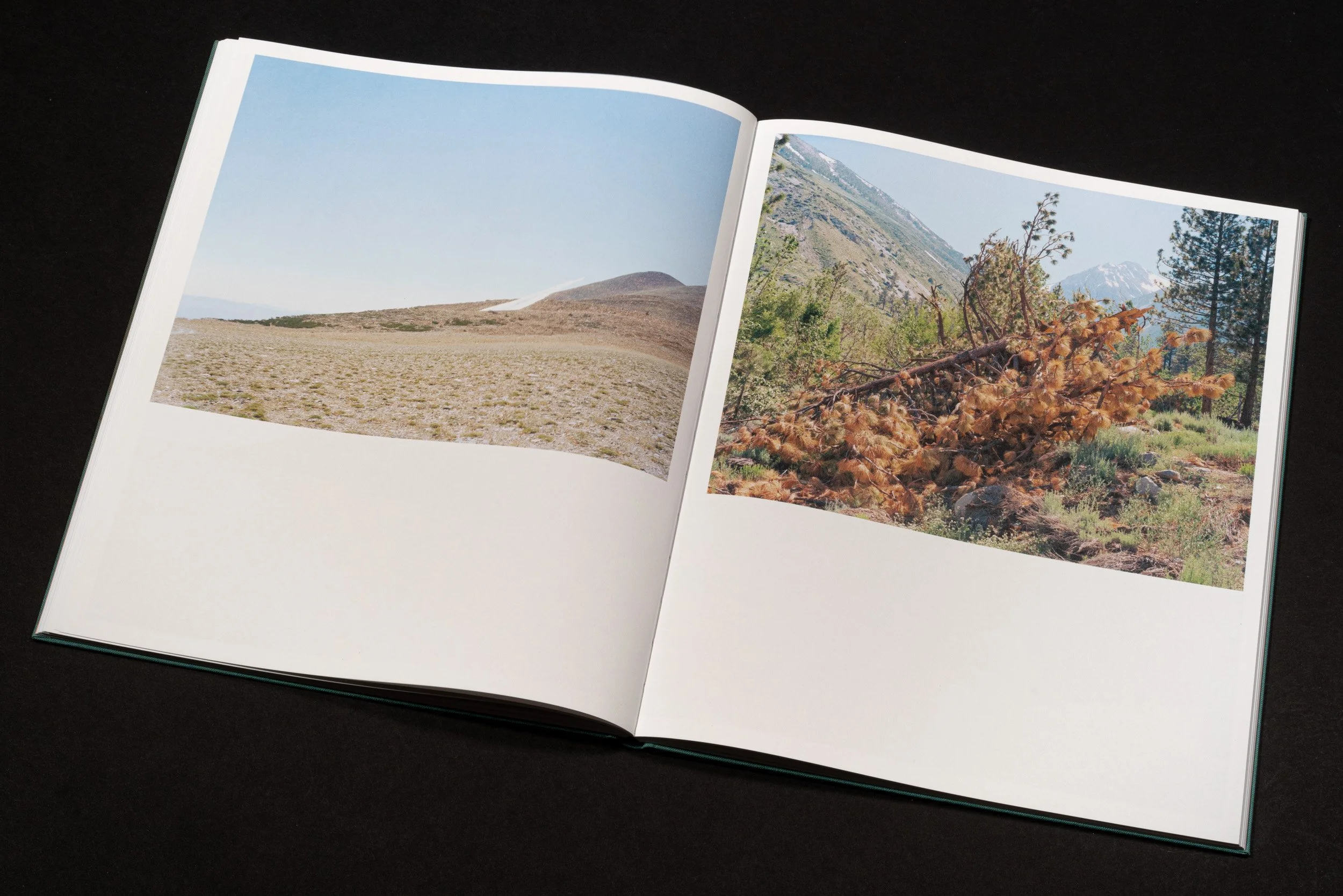
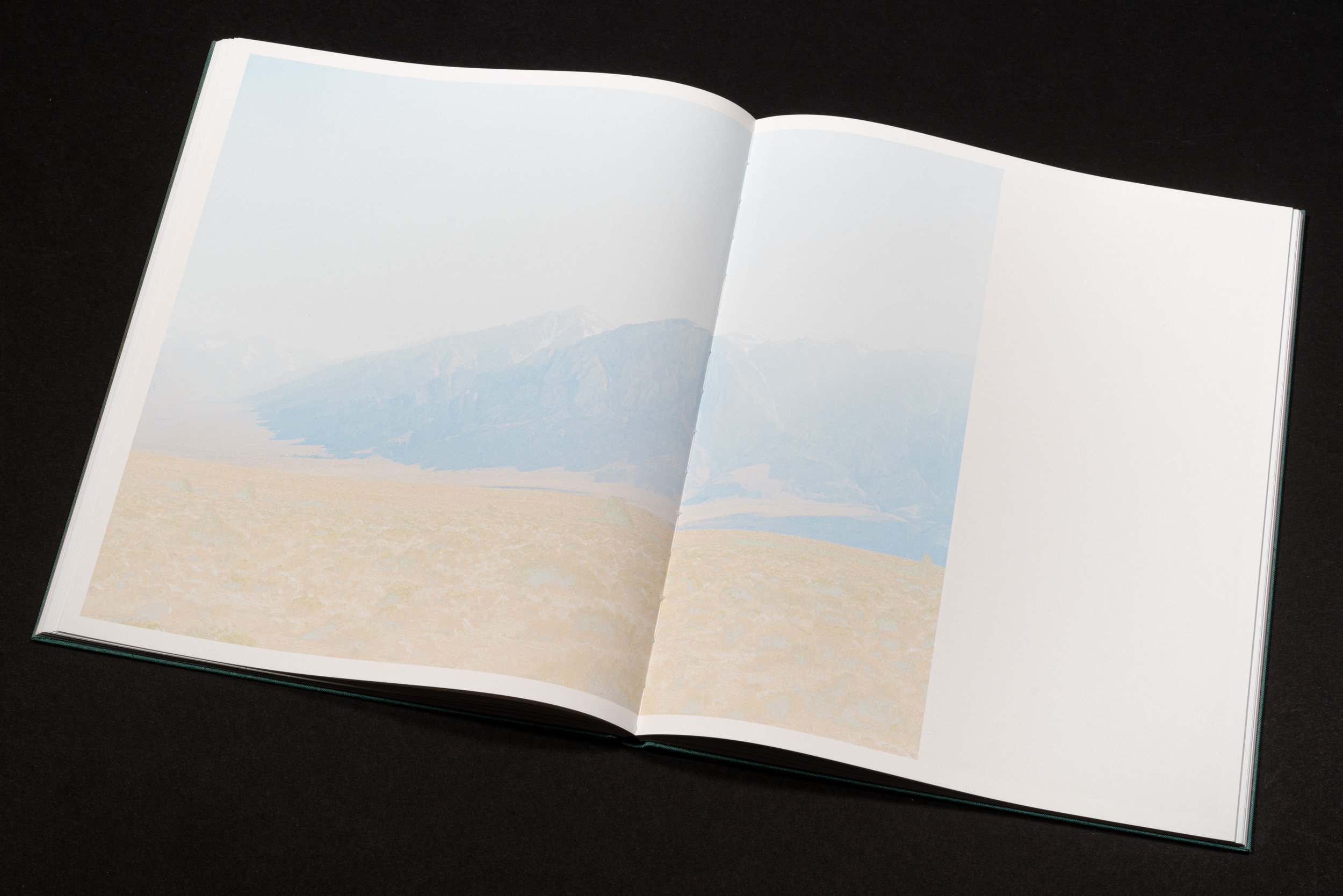

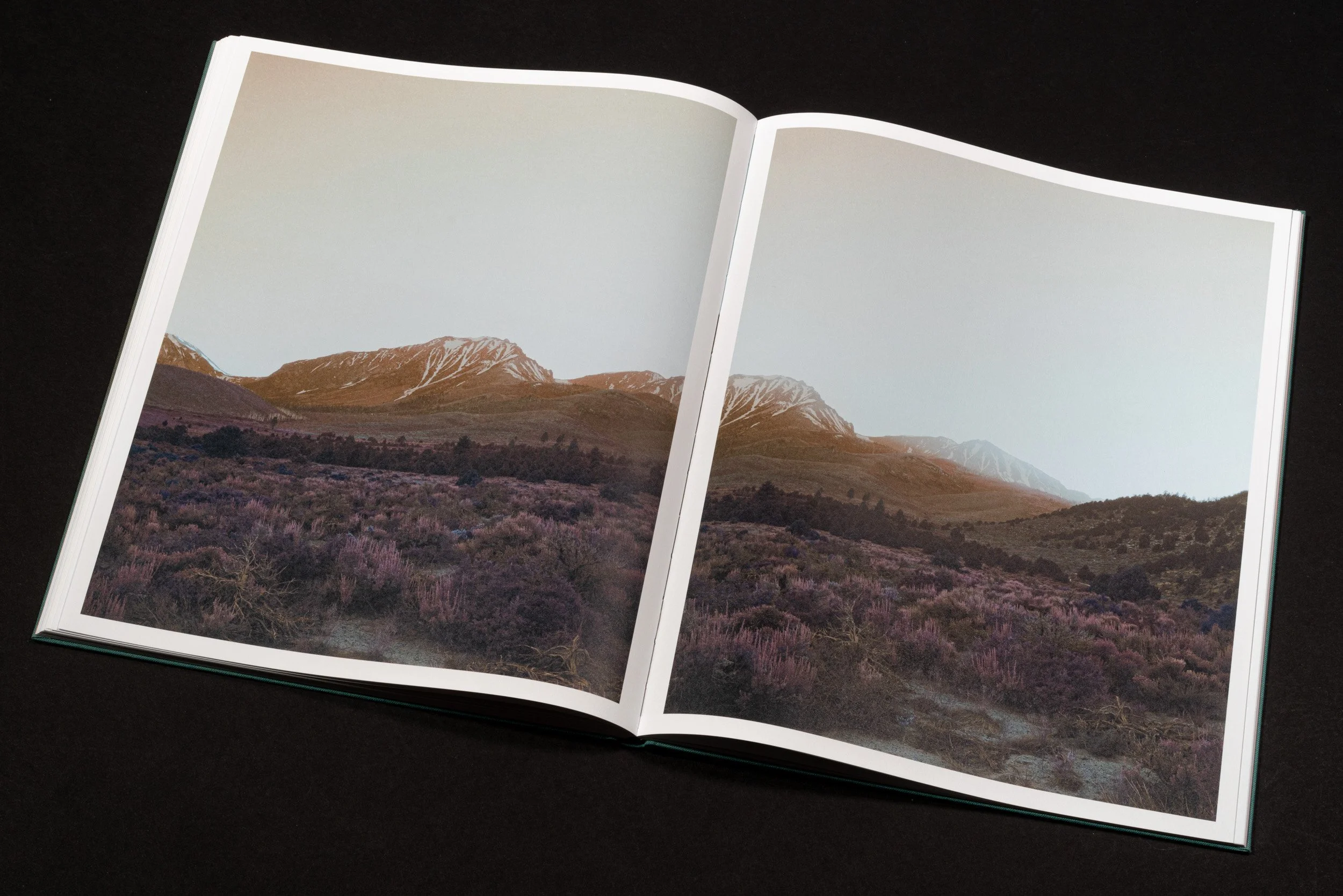
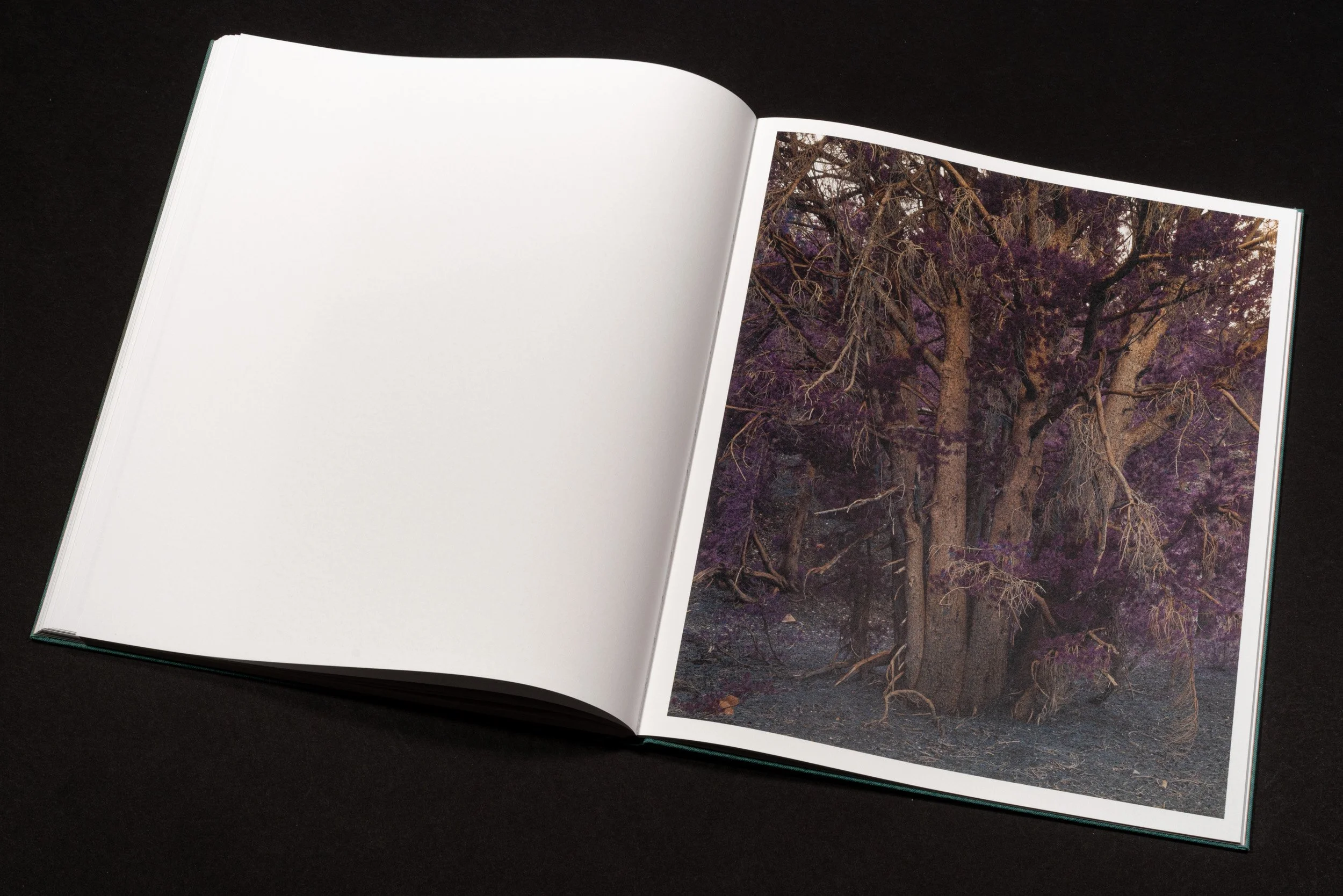
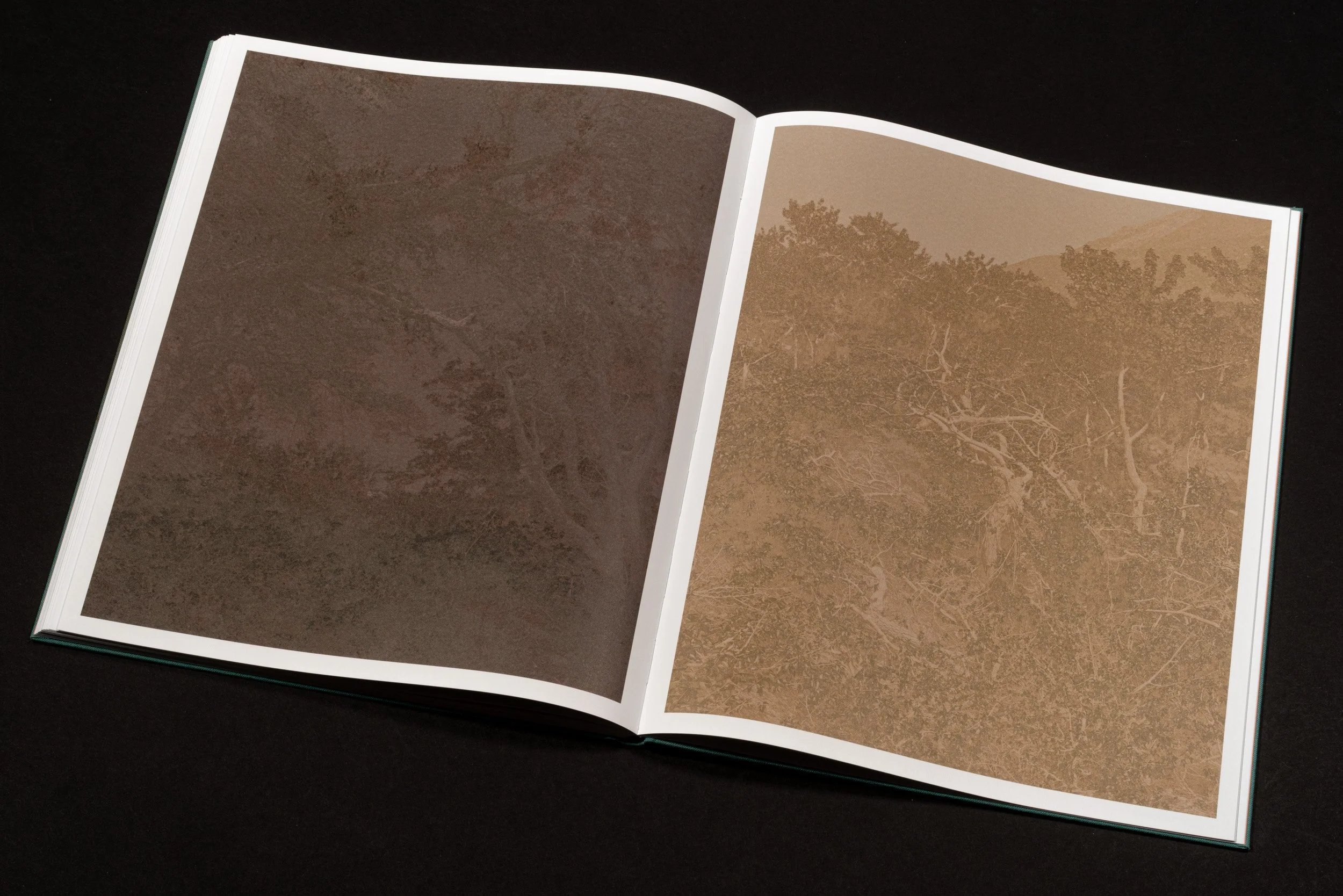
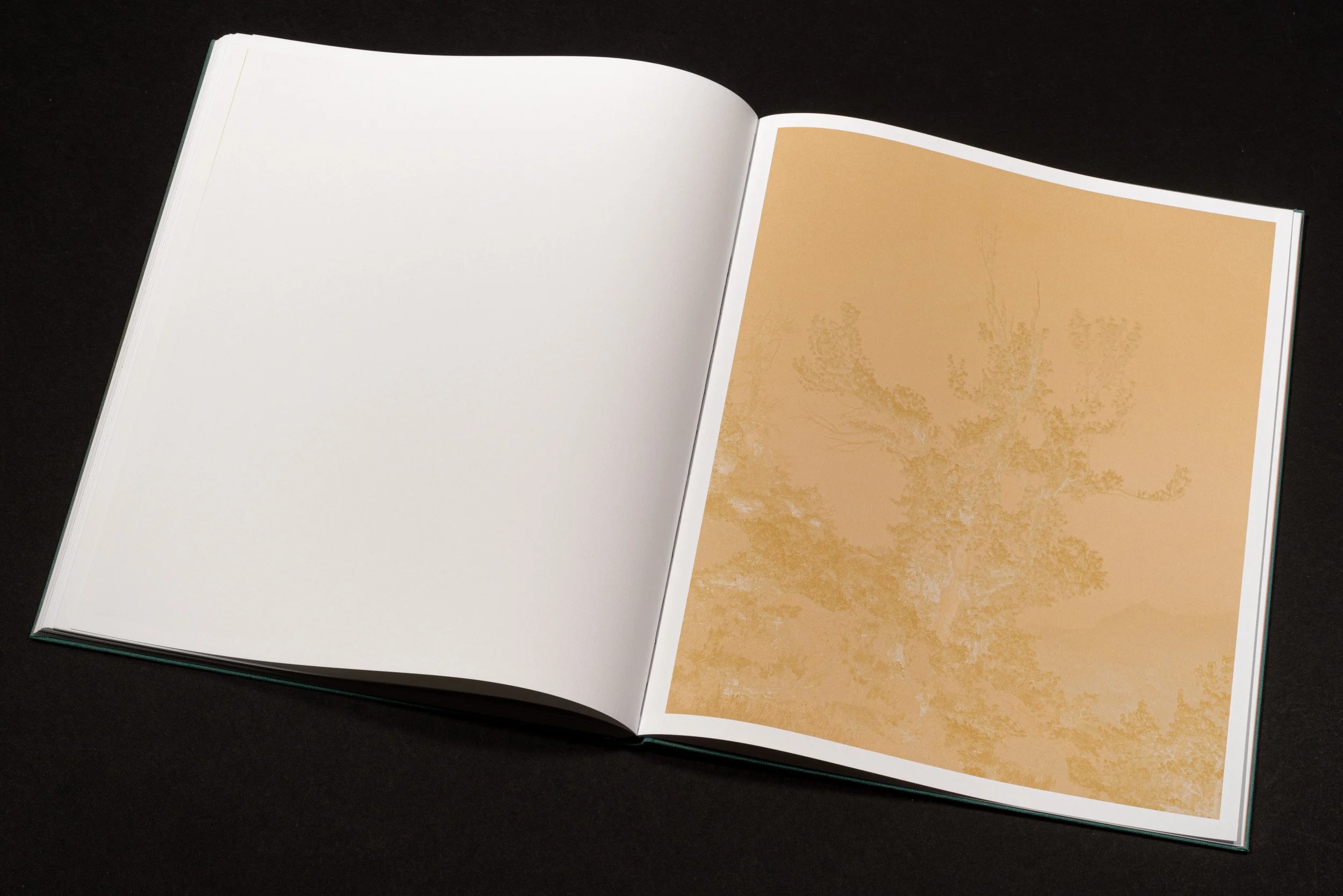
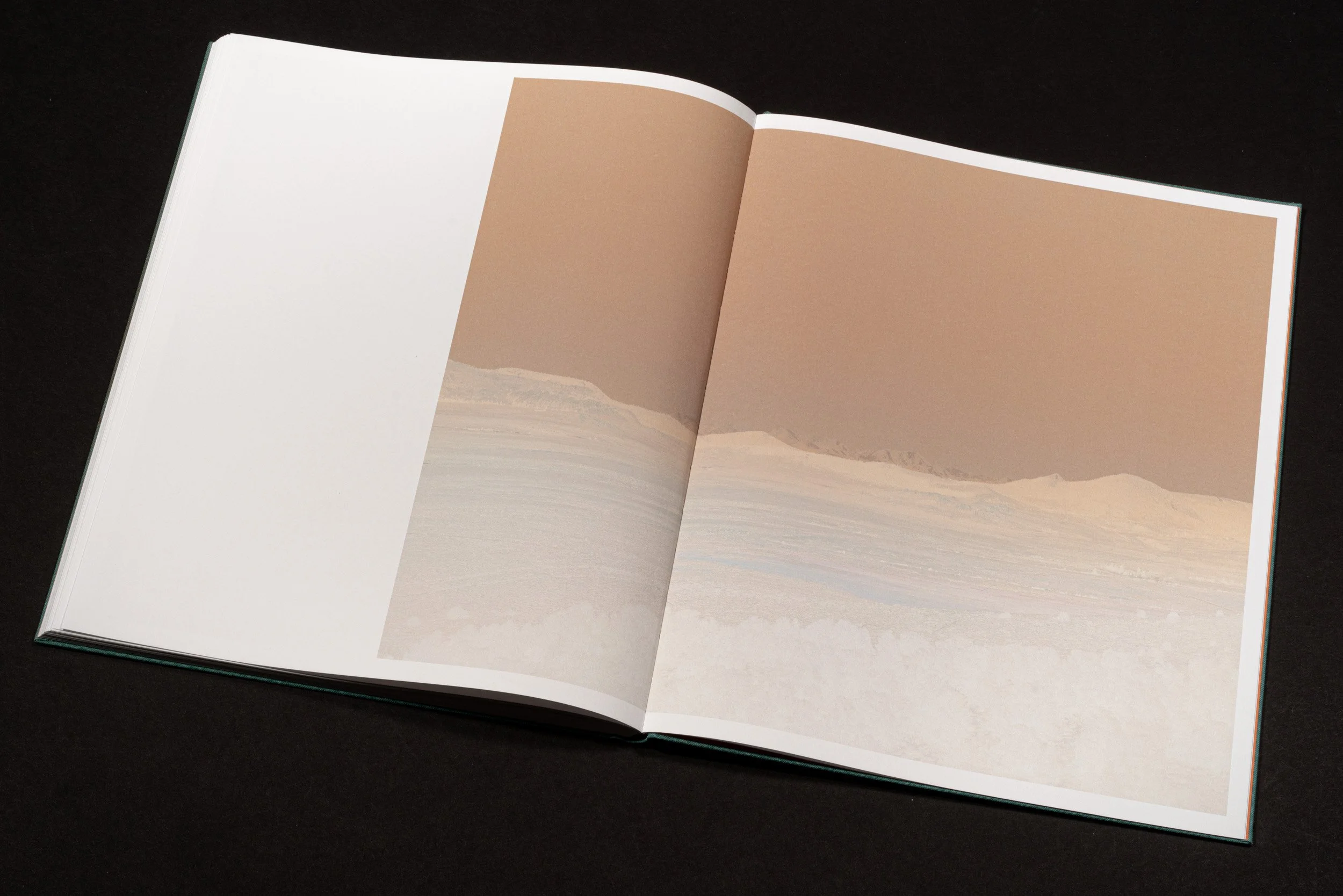
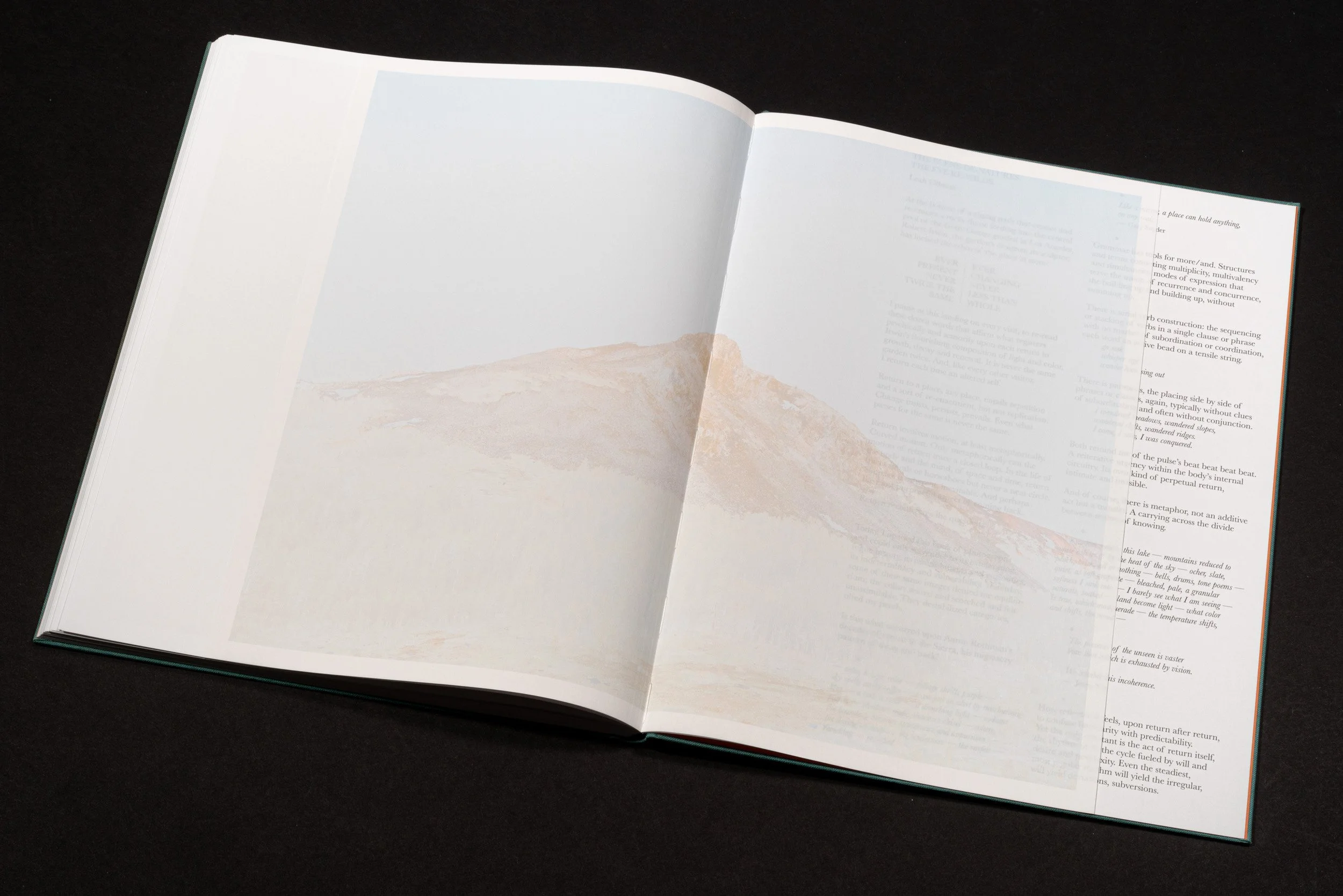
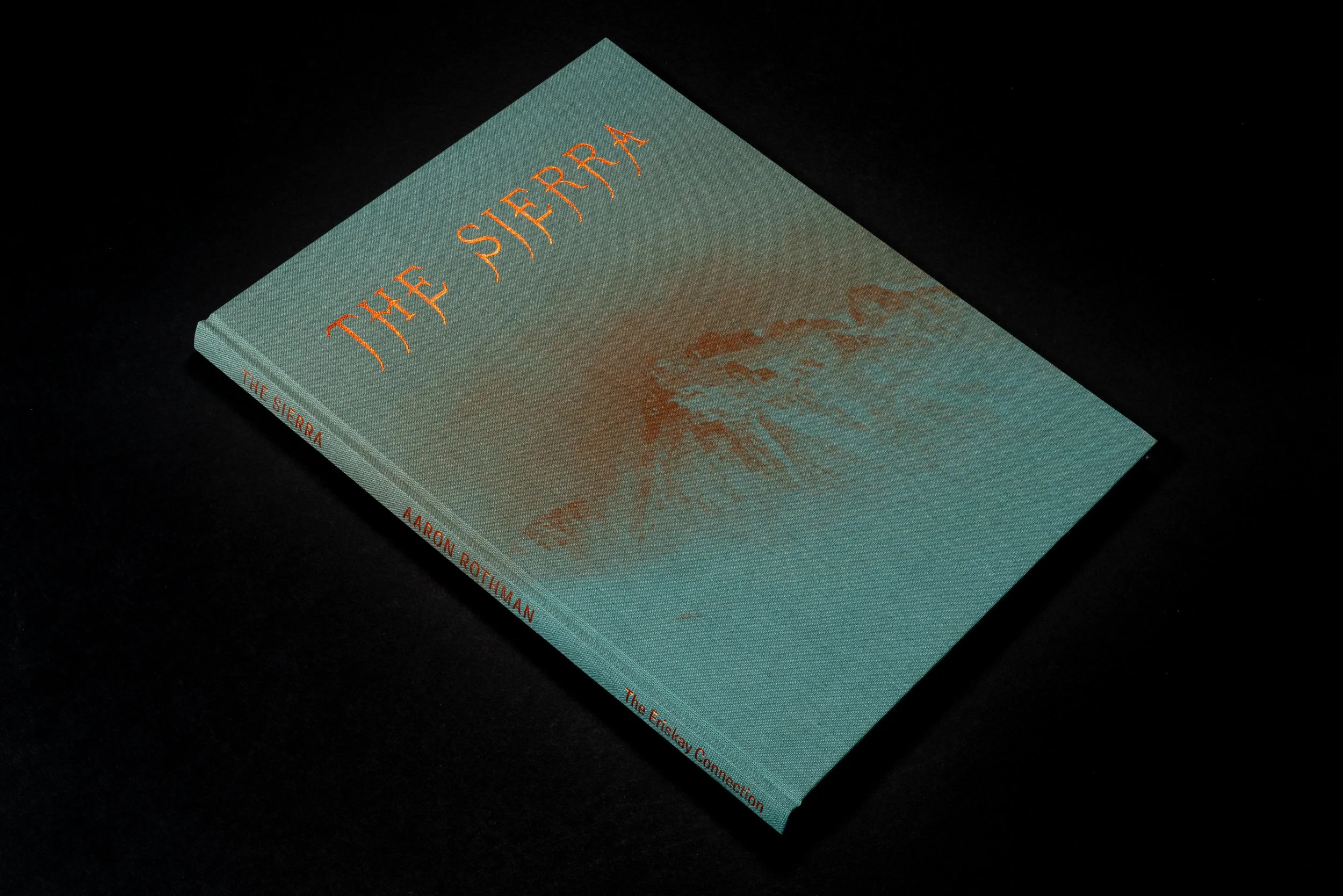
Grappling with conflicting feelings of awe and anxiety as wildfires escalate and climate change becomes increasingly evident, The Sierra reexamines an environment that has long defined American ideas of wilderness. The photographs are rooted in a personal connection to place, with one eye contemplating the Sierra’s uncertain future, and one examining the American and European lineage of landscape imagery which marks its past. Photographed over the course of six years with a large-format film camera, the images use a variety of digital processing techniques that convey the physical sensation of being in the mountains and visually embody ongoing environmental changes.
Text by Leah Ollman
Published by The Eriskay Connection, 2025
9.675” x 11.75”
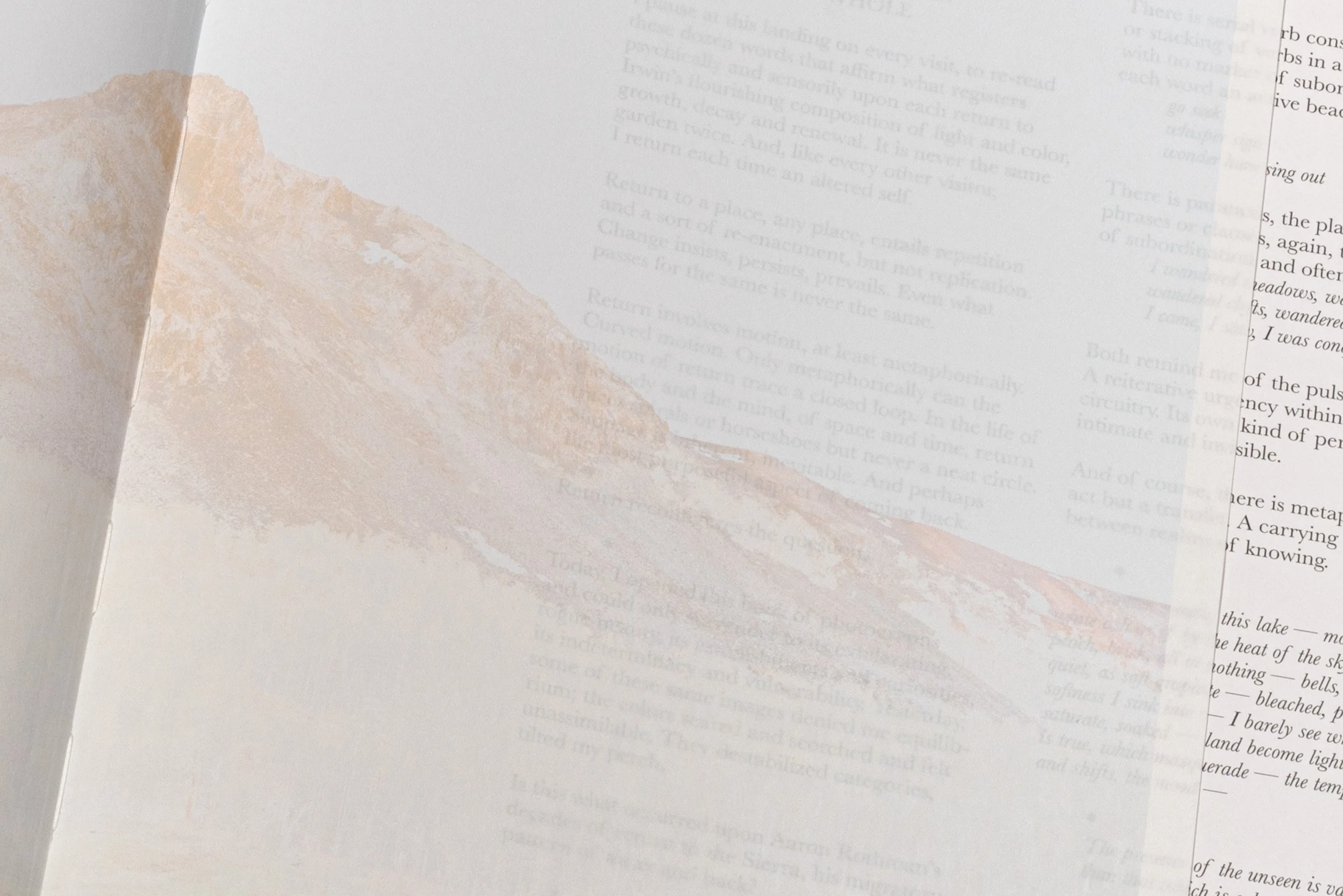
53 color plates, including four insets on semi-translucent paper
112 pages
More info or order a copy here: eriskayconnection.com/the-sierra/
Made possible in part by support from the Guggenheim Foundation and the Speranza Foundation.
Press for The Sierra:
“For each and every one of us, this tripled past/present/future of changes is forcing us to renegotiate our long established relationship with whatever natural places and landscapes that we hold dear – we remember them how they were, witness them as they are now, and wonder about what they might look and feel like in the future, all at the same time. This time-collapsed observational framework is making the abstraction of climate change much more personal and experiential.
Aaron Rothman’s photobook The Sierra is the first climate change-themed project I have seen that actively wrestles with this intimately layered seeing process – it doesn’t just show us melted icebergs or dry lake beds, but artistically creates a wider context of time.”
“These altered images invite viewers to consider not only what the Sierra is but also what it is becoming—a landscape shaped by uncertainty, and possibly unrecognizability.”
“Rothman situates his work within the living legacy of the American landscape imagination, this time transforming the sublime into a warning about the vulnerability of nature.”
“The stakes, I mean, are tied to a complex dilemma: How to see anew something that’s almost impossible to see anew, how to move from seeing to caring, and how (despite the temptation to stand where Muir and Rothman have stood) to care enough to leave it alone?”